
转移性乳腺癌的乳房切除术
本研究的目的是对乳癌第 4 期乳房切除术的地区乳腺科结果进行评估。
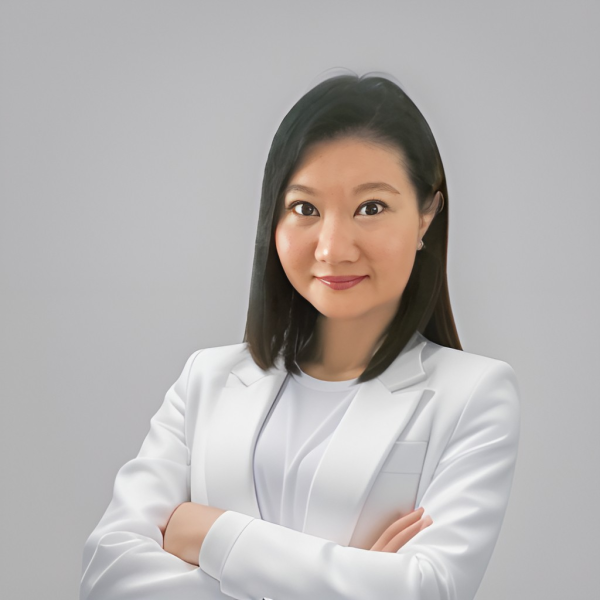
Major: Psychiatry
Resident hospital: Sungai Long Specialist Hospital
Address: Pt 21147, Persiaran SL 1, Bandar Sg Long, 43000 Kajang, Selangor
Resident clinic: Amarantine Clinic
Address: 9G (Ground Floor), Wisma Laxton, Off Old Klang Road, Jalan Desa, 58100, Kuala Lumpur
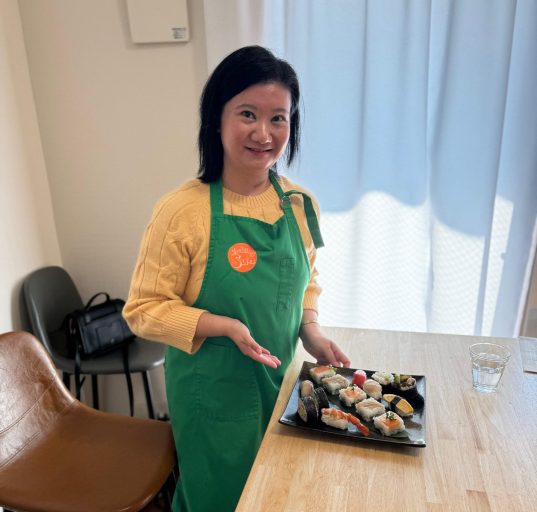
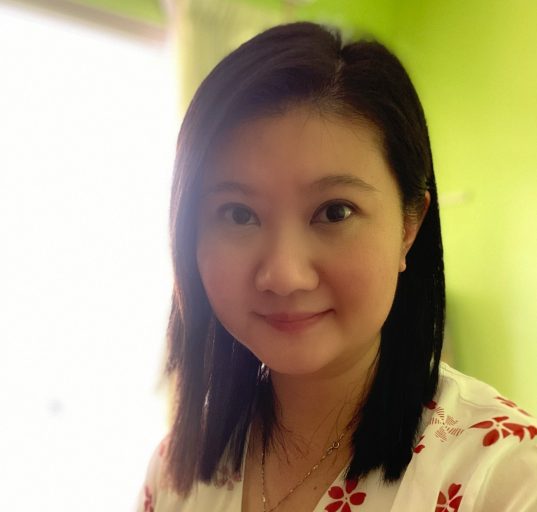
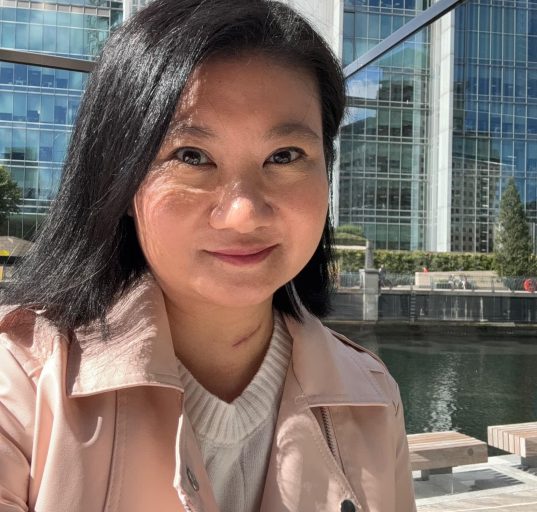

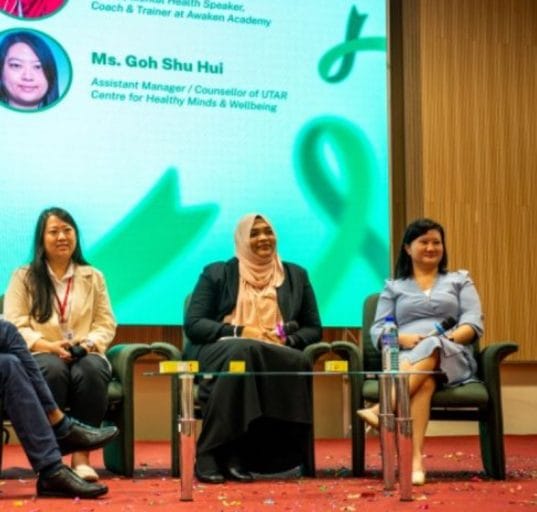
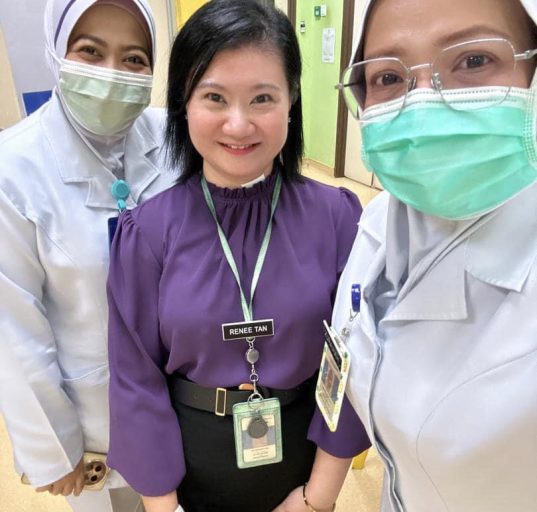


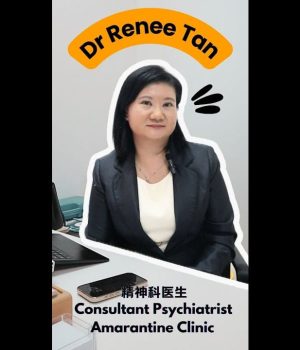
Dr Renee Tan Huey Jing is a highly experienced psychiatrist in Malaysia, specialising in mental health and psychiatric disorders. She has extensive expertise in treating conditions such as post-traumatic stress disorder (PTSD), major depressive disorder, childhood trauma, and anxiety disorders.
Dr Tan pursued her medical degree at the Royal College of Surgeons in Ireland (RCSI) from 2002 to 2006, earning an MB BCh BAO qualification. Her passion for psychiatry led her to further her studies, obtaining a Master’s degree in Psychological Medicine from the University of Malaya in 2015.
Dr Tan has undergone advanced training in:
Dr Tan began her medical career as a house officer at Hospital Kajang from 2006 to 2008. She continued serving in various departments at the same hospital until May 2011. From 2011 to 2015, she underwent further training at multiple hospitals and medical institutions, refining her expertise in psychiatry.
Choosing psychiatry as a career was driven by my deep passion for mental health, my desire to help others, and my fascination with human thoughts and behaviour. This journey has reinforced my belief that mental health is just as vital as physical health, and addressing it with compassion and expertise can transform lives.
My patient care philosophy is centred around a personalised, patient-first approach that prioritises empathetic listening and emotional validation. I adopt a holistic bio-psycho-social model, empowering patients to make informed decisions while respecting their autonomy. This fosters a trusting therapeutic relationship, where treatment decisions are made collaboratively for optimal outcomes.
Individuals should consider seeking psychiatric help if they experience:
I prioritise clear, straightforward communication when explaining diagnoses and treatment options. This includes detailing symptoms, treatment indications, risks, benefits, expected duration, and prognosis. I encourage patients to ask questions and clarify concerns, ensuring that treatment plans align with their values and lifestyle. This patient-centred approach enhances engagement and compliance.
To stay current, I actively engage in research, read academic journals, and attend both local and international psychiatric conferences. Continuous learning is essential to providing the best care.
Some of the most promising advancements include:
One case that stands out involved a patient struggling with severe, treatment-resistant depression. She had tried multiple antidepressants with little success. Upon deeper investigation, she revealed experiencing persistent paranoid delusions—something she had previously withheld from other doctors out of fear of dismissal.
Her depression was actually secondary to these delusions. After adjusting her treatment plan to address the underlying psychotic symptoms, and with strong family support, she began to show significant improvement. This case reinforced the importance of trust, thorough assessment, and the need to look beyond surface symptoms.
One of the biggest misconceptions is that mental health issues are simply a matter of “overthinking” or “weakness.” Many people believe that conditions like depression can be overcome by “staying strong” or “snapping out of it,” which can discourage individuals from seeking help.
Another misconception is that psychiatric disorders are spiritual issues rather than medical conditions, leading some to seek traditional or spiritual healing instead of professional treatment.
Stigma often arises from misinformation. Educating patients and the public about mental health is crucial in breaking down these barriers, reducing self-stigma, and encouraging individuals to seek the support they need.
Maintaining a healthy work-life balance is key to providing high-quality patient care. I prioritise self-care, set professional boundaries, and engage in activities outside of work that bring me joy, such as weekly Chinese dance classes. Recognising signs of burnout and taking proactive steps to recharge ensures I can continue delivering compassionate and effective care.
Psychiatry is a deeply fulfilling field that requires a strong understanding of human behaviour, emotions, and thought processes. To excel, aspiring psychiatrists must cultivate curiosity, empathy, and active listening skills, creating a safe space where patients feel heard and supported.
Many psychiatrists enter the field not just as a career choice but as a calling. Beyond clinical practice, psychiatrists play a crucial role in combating mental health stigma and advocating for compassionate, ethical care. If you’re drawn to making a profound impact on people’s lives, psychiatry can be an incredibly rewarding profession.
What leads you into the psychiatric profession is a passion for mental health, a desire to help others, and a fascination with the human mind and behavior.
Dr Renee Tan



本网站上的所有内容仅供参考,切勿作为具体的医疗建议。相关内容无意也不应用于替代专业的医疗建议、诊断或治疗。
如遇医疗紧急情况,请立即拨打 999 或前往就近的急诊科(Accident & Emergency)。
365Asia 隶属于 365Asia 集团。